── PAIN & RECOVERY
Pain Changes How You Move.
It Should Not Decide How You Live.
Persistent pain can affect movement, recovery, sleep, and quality of life.
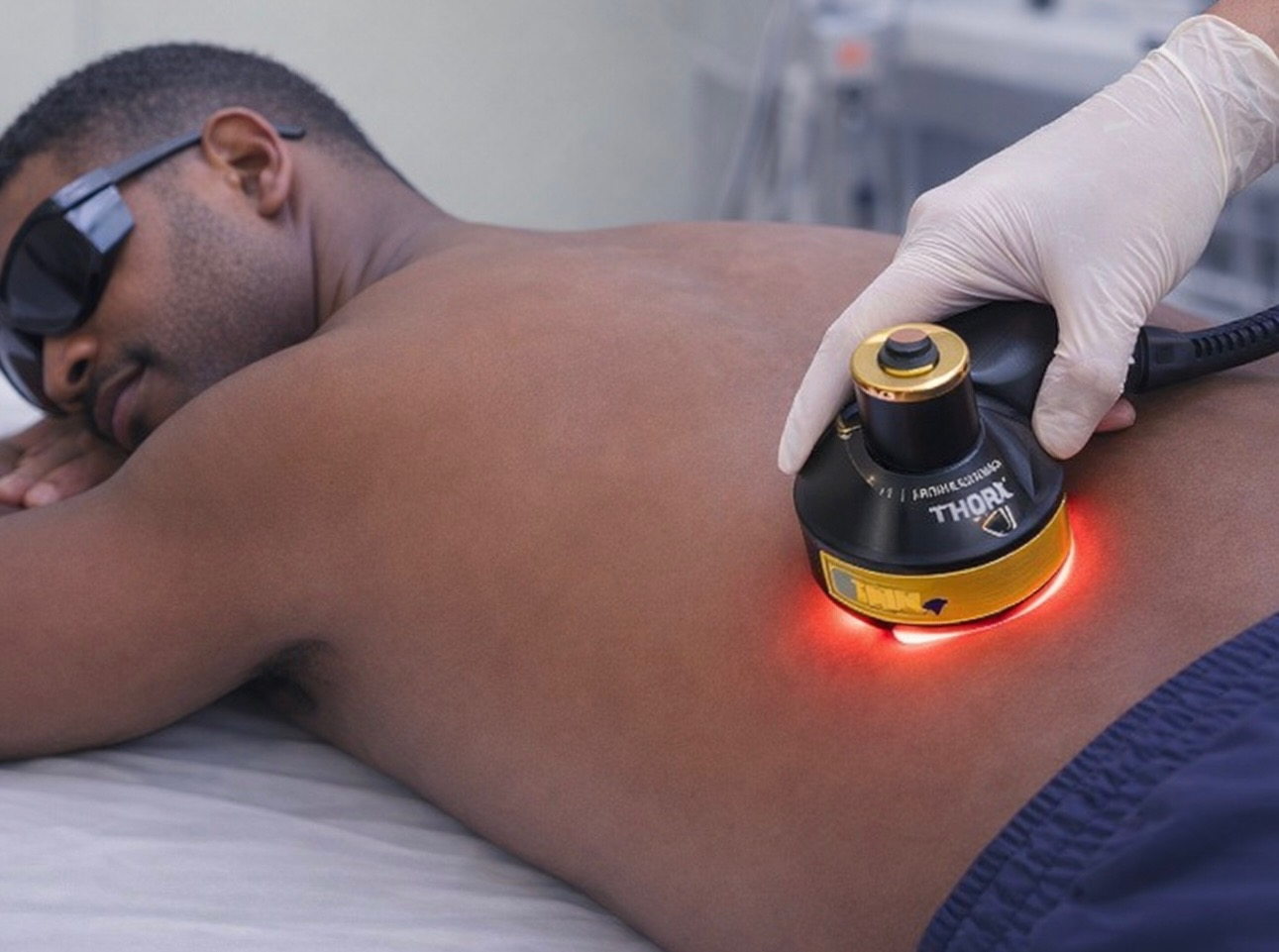
Targeted laser therapy uses light energy to support pain reduction, inflammatory regulation, tissue repair, and functional recovery.
Every treatment begins with an assessment of your symptoms, history, and clinical presentation.
── LET US BE HONEST ABOUT THIS
How Laser Therapy Supports Recovery.
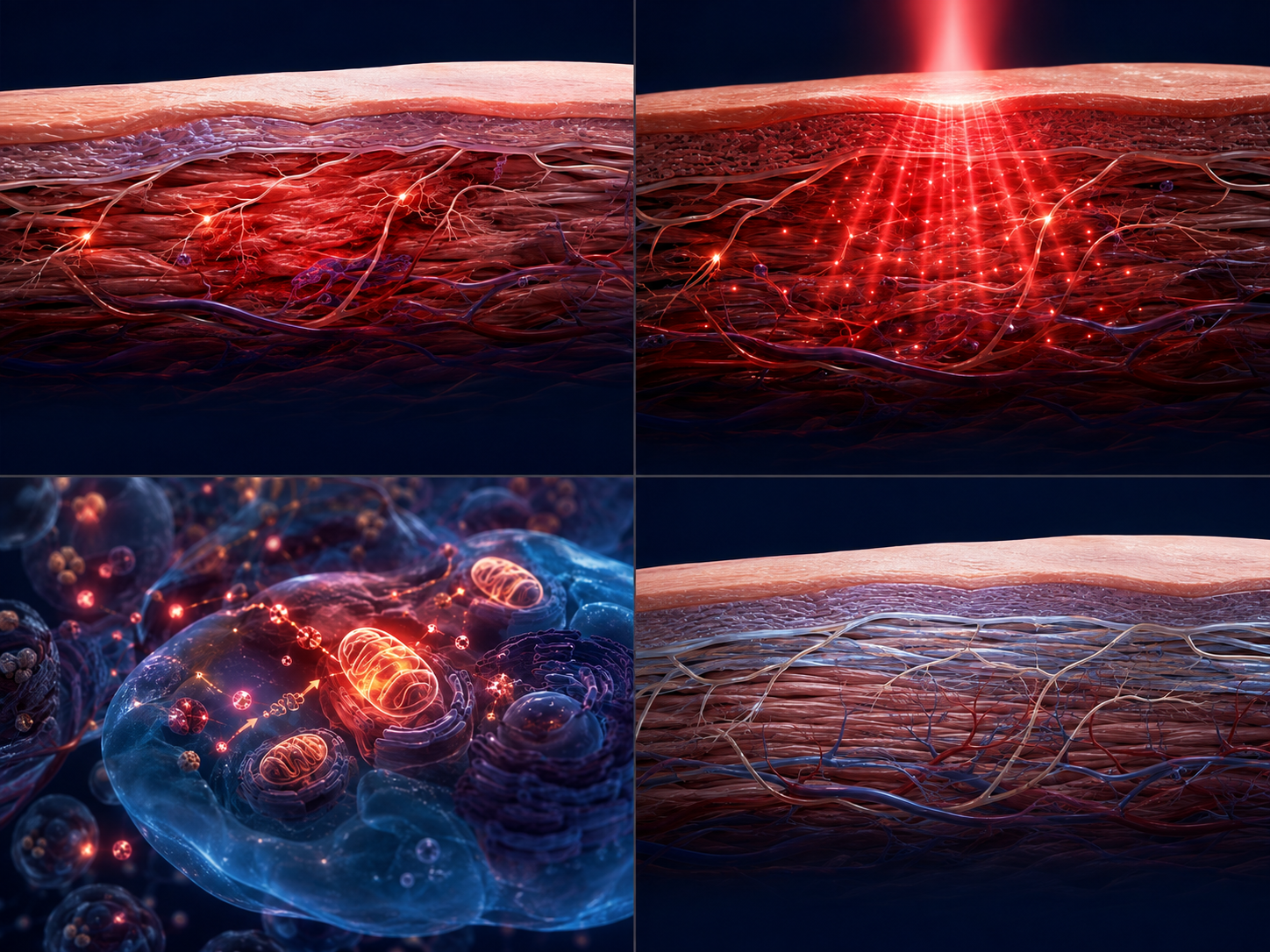
Laser therapy delivers a calculated dose of light energy into affected tissue. This energy is absorbed at the cellular level, where it influences biological activity involved in inflammation, pain modulation, and tissue repair.
REDUCE
Supports the regulation of inflammatory activity and pain.
REPAIR
Supports cellular processes involved in tissue healing and recovery.
RESTORE
Helps improve movement and function as the affected tissue responds.
── CONDITIONS COMMONLY ADDRESSED
What We Treat
Treatment is individually planned according to the condition, tissue involved, symptom patterns, and clinical presentation.
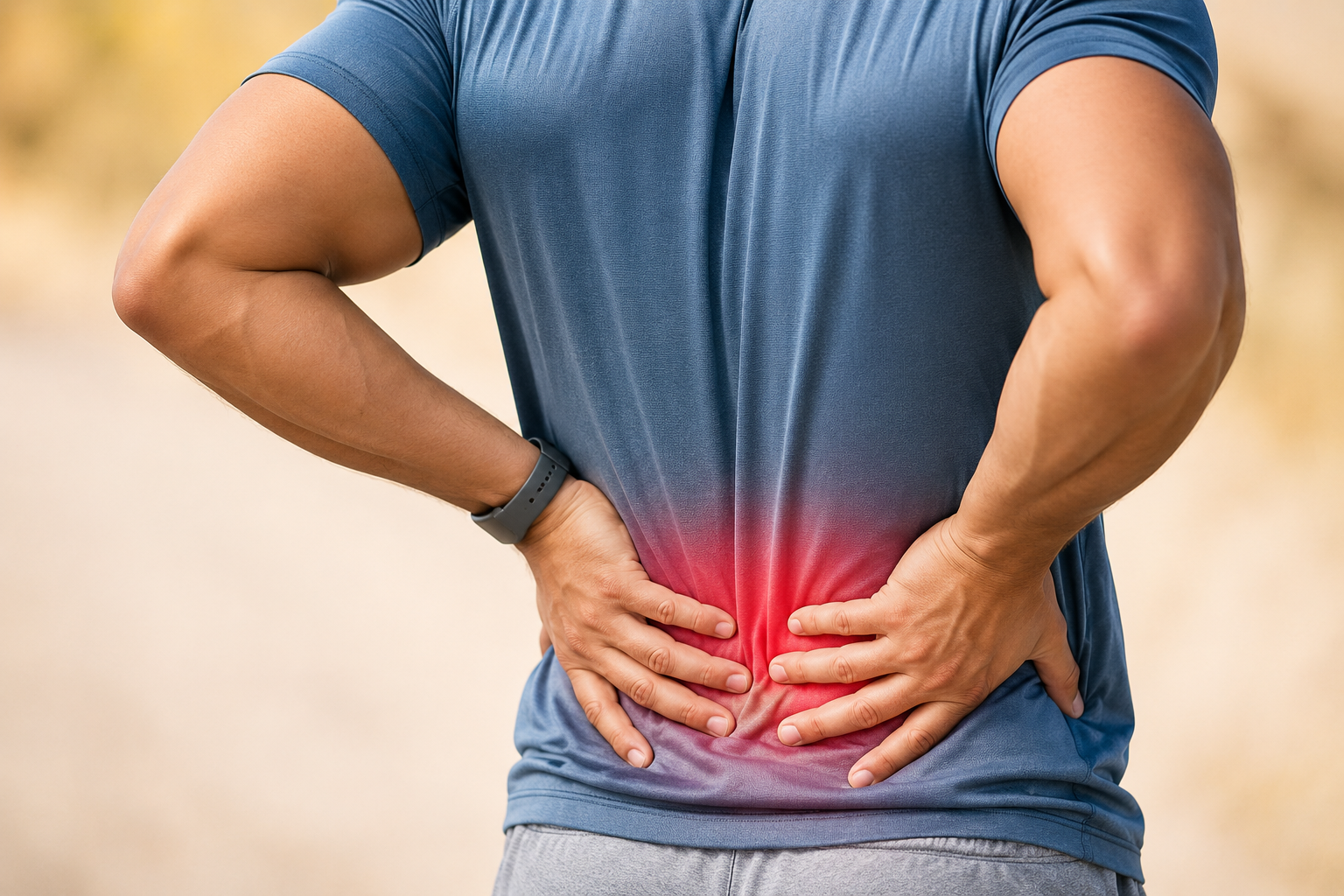
Chronic Back & Neck Pain
Persistent muscular, joint related, or radiating pain affective movement and daily function.
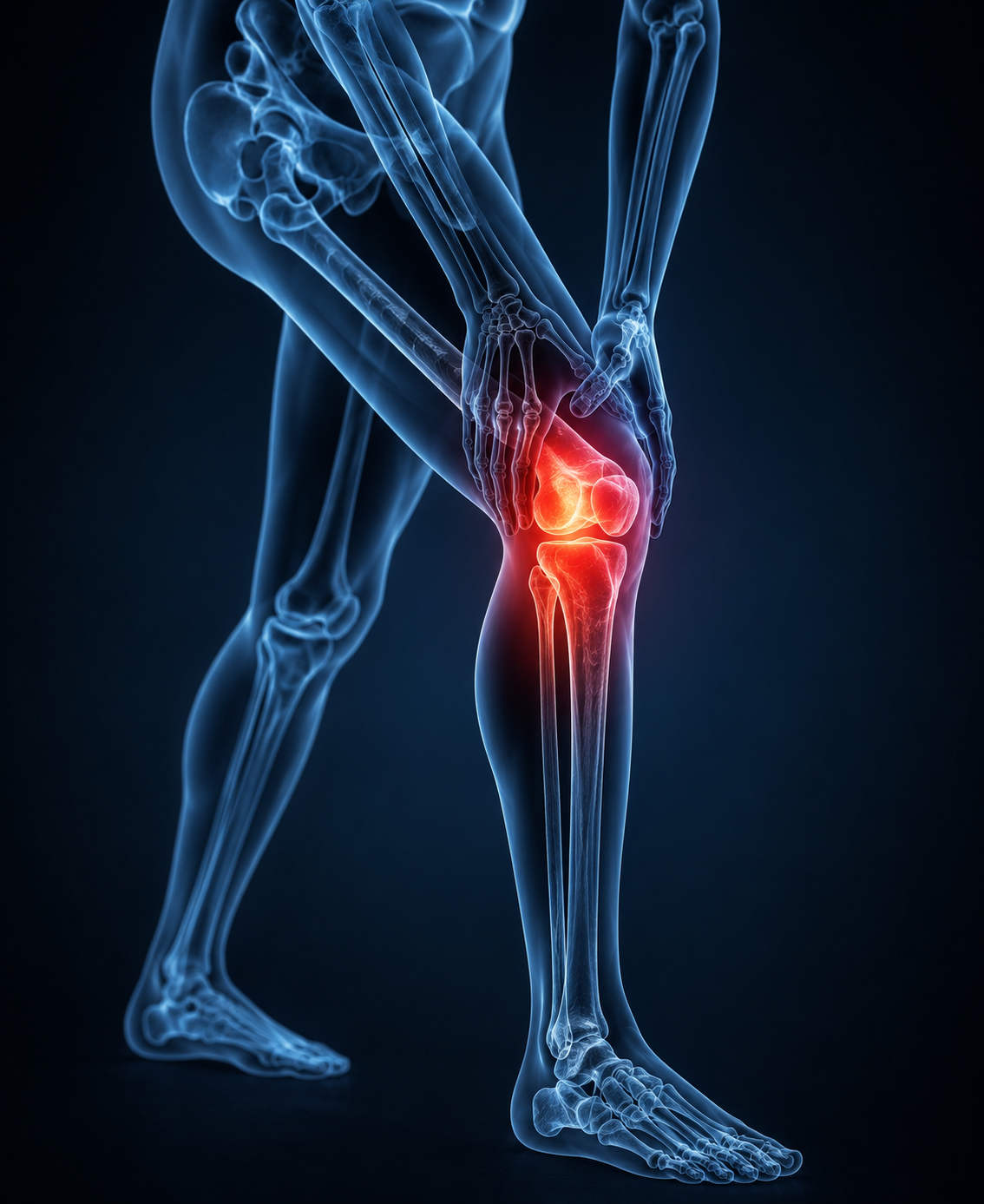
Joint Pain & Arthritis
Pain, inflammation, stiffness, and reduced mobility involving the knees, hips, shoulders, ankles, or wrists.

Sports & Soft Tissue Injuries
Muscle strains, tendon irritation, ligament injuries, repetitive stress, and overuse conditions.
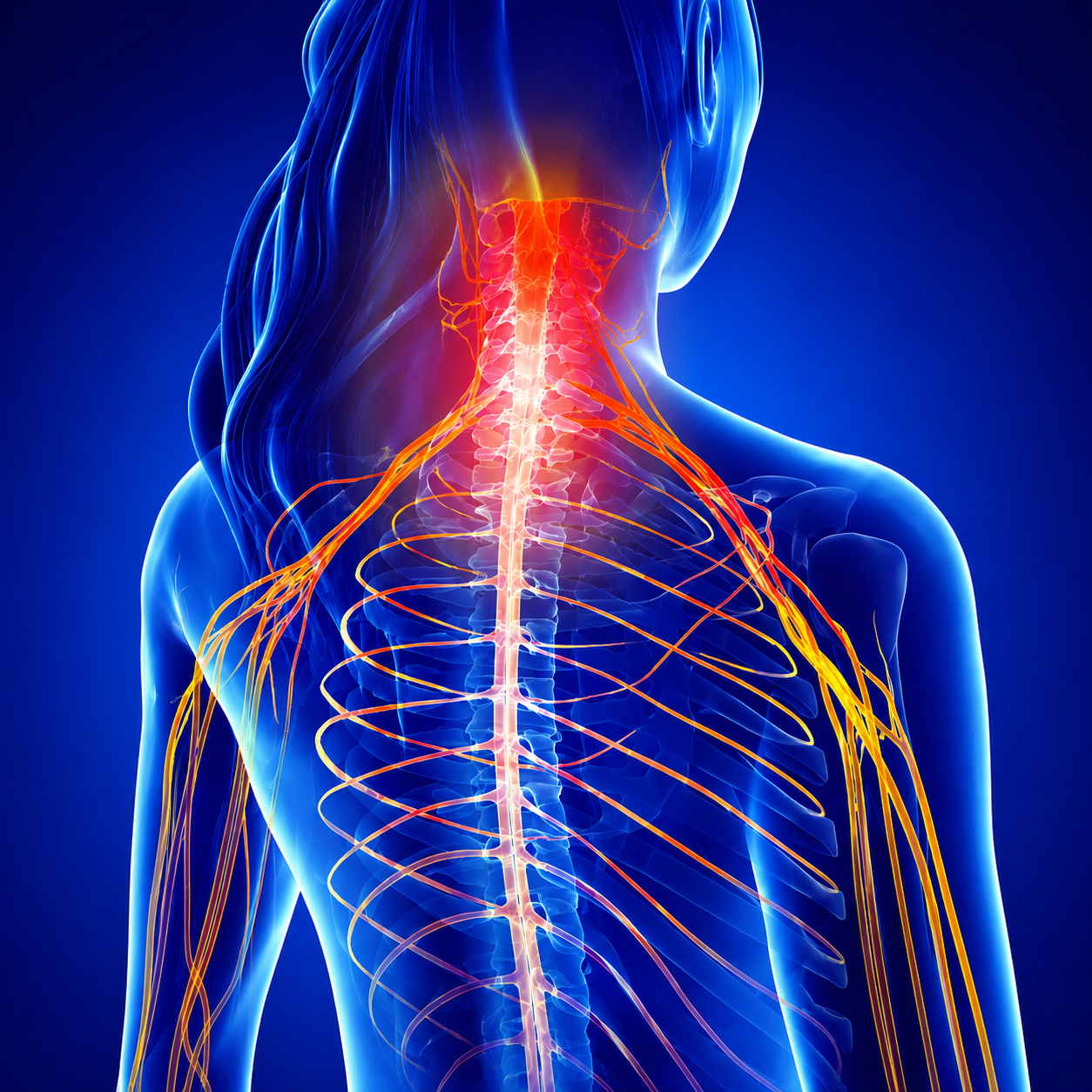
Nerve Pain & Radiculopathy
Burning, tingling, radiating, or persistent nerve related symptoms affecting function and quality of life.
Delayed Healing & Tissue Recovery
Persistent tissue irritation or incomplete recovery following injury, surgery, or repetitive stress.
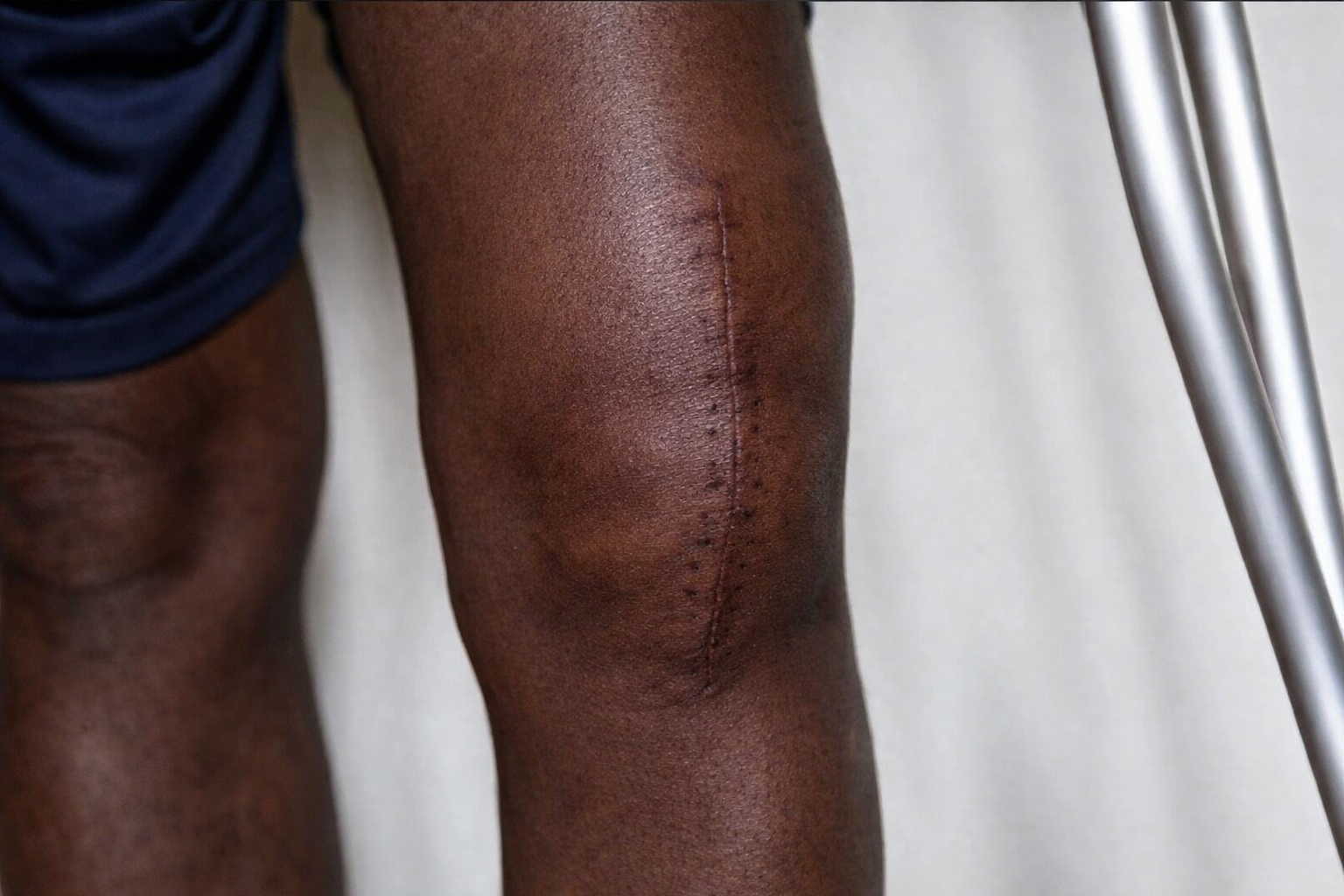
Post Surgical Recovery
Support for inflammation, tissue healing, discomfort, and functional recovery following a procedure.

── THE TREATMENT APPROACH
Treatment Build Around Your Response
ASSESSED FIRST
Your symptoms, treatment history, tissue presentation, and goals are reviewed before treatment is recommended.
INDIVIDUALLY DOSED
Laser parameters are selected according to the condition, tissue depth, treatment area, and clinical presentation
PROGRESSIVELY REASSESSED
Your response is documented and reassessed so treatment can be adjusted when appropriate.
DESIGNED TO COMPLEMENT CARE
Laser therapy may be integrated alongside physiotherapy, rehabilitation, exercise, chiropractic care, or physician directed treatment.
Recovery timelines vary. Acute concerns may respond sooner, while persistent conditions generally require a structured series of treatment.
If laser therapy is not appropriate, you will be told directly.
Stop managing the pain.
Start exploring what may support better recovery.
If pain is changing how you move, sleep, work, or live, it is time for a closer assessment.
Clear answers. Individualized direction. A treatment plan built around your presentation.